What would it take to make Launceston a movement-friendly, connection-rich city?
paul mallett supports Launceston being a city that moves. He backs a set of practical, low-barrier investments that make it easier for every Launceston resident to move, connect, and stay well, regardless of where they live, what they earn, or whether they are into sport.
A council does not run hospitals, but it shapes the everyday conditions in which health is made or lost. The footpath safe enough to walk. The park worth using. The club kept alive by trained volunteers. The free event where cost is never the reason someone stays home. These are not lifestyle extras. They are preventive health infrastructure, and they determine whether being active and connected is easy and normal, or a private struggle for people with time, money, and confidence to spare.
Imagine a city where parkrun reaches the outer suburbs, where every school oval opens to the community after the bell, where the volunteers who keep local sport alive are backed and developed, not burned out and disappear. Where kids in suburbs that usually miss out have a pump track down the road. Where seniors have somewhere to move that is designed for them. And where the whole city spends a year chasing one shared goal together.
The aim is simple: make the healthy, connected choice the easy one. Not by lecturing anyone, but by removing the barriers in the way.
Movement and social connection as civic infrastructure
Everyday movement and social connection should be treated as core public infrastructure, funded with the same seriousness as roads, lighting, and drainage. That means investing in walking, rolling, gathering, and low-cost recreation. It means designing programs jointly with community members to ensure they work locally. And it means naming loneliness, inactivity, and social isolation as public issues that need public investment, not as personal shortcomings.
Scale Active Launceston and grow parkrun
Active Launceston already shows what local government can do. paul will advocate to scale it further. That includes exploration of new parkrun courses in the outer suburbs and growth areas to ensure geographic fairness, with Tail Walkers and participation ambassadors so no one feels judged, rushed, or left behind, and low-cost transport where access is a barrier. Weekly routines built on pride, consistency, and community, not performance pressure.
Back the volunteers who keep sport alive
Every game needs an umpire. Every team needs a coach. When they burn out, clubs fold and kids lose their game. paul supports council investment in the pathways and pipelines for developing coaches and umpires, so the people who make local sport possible keep showing up.
Pump tracks, trails, and parks in the suburbs that miss out
For families who are not into traditional sport, paul supports building pump tracks and bike trails in the suburbs that usually miss out, outdoor exercise gear in parks across the city, and low-fee or no-fee activities organised with communities where cost is a barrier.
Seniors’ exercise parks and social prescribing
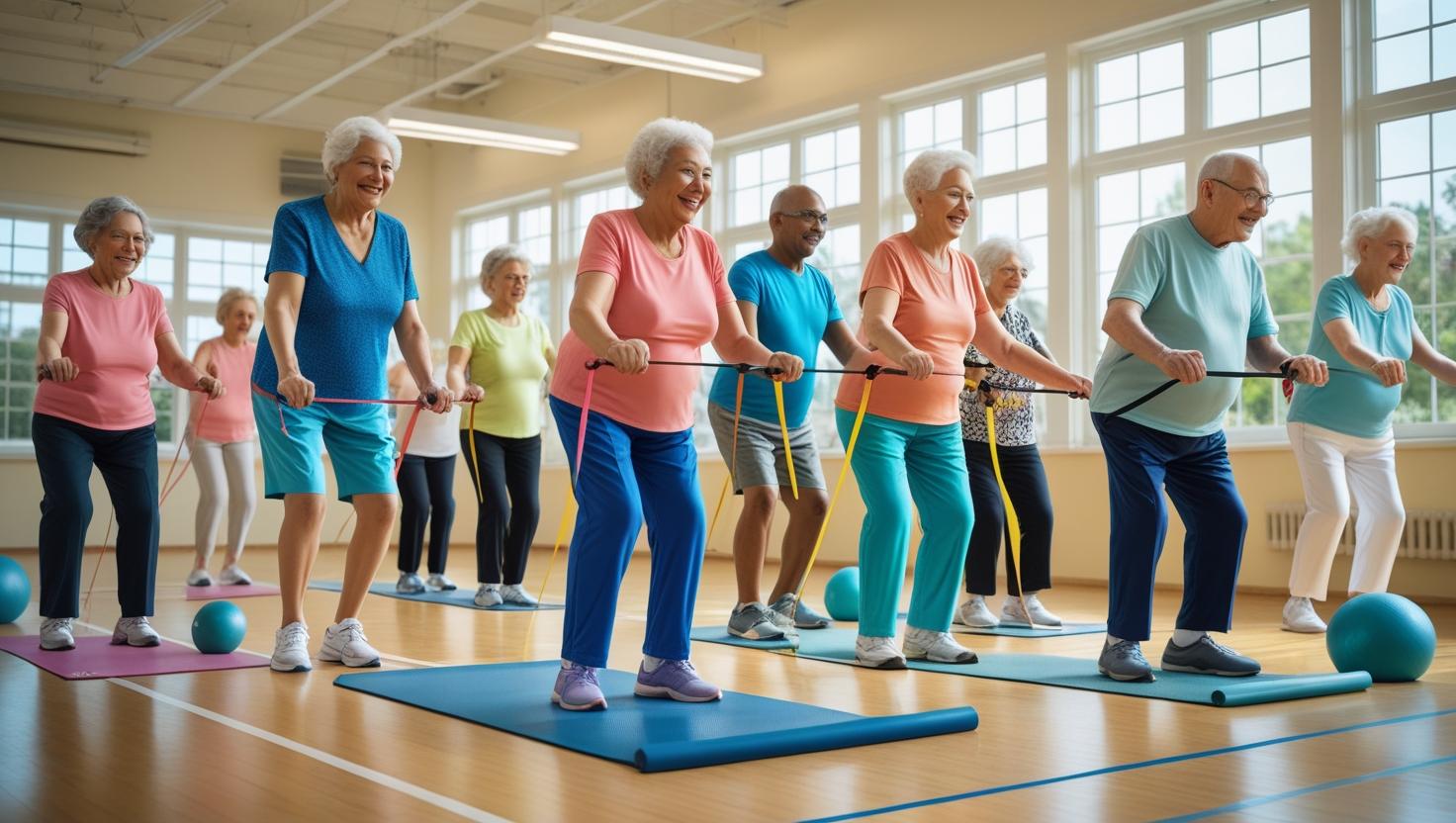
Age-friendly strength and balance parks should be spread across the municipality and linked to clinical and community care. paul supports installing specialist seniors’ exercise equipment in key neighbourhoods and encouraging health and community workers to use social prescribing, connecting older residents to parks, groups, and activities that improve confidence, mobility, sleep, and mood while easing demand on downstream health services.
Open school facilities after hours
The courts, ovals, and facilities the public already owns should not sit empty every evening and weekend. paul will advocate to partner with the state to really open school facilities after hours, so communities can use what is already there.
Programs with meaning and connection
The city’s calendar should include programs people join for connection, purpose, and culture as much as for fitness. paul supports embedding intergenerational mentoring, on-Country walks designed with palawa/pakana partners, and community therapeutic gardens into regular programming, strengthening belonging and mental wellbeing alongside physical health.
A city-wide step challenge
Picture a friendly, year-long challenge: Launceston walking two billion steps and shedding half a million kilograms together. Your phone or watch counts the steps. Schools compete. Workplaces take each other on. Walking groups form on local streets, and suburbs climb a public scoreboard. You are not just going for a walk. You are walking with your street, your workplace, your city. Not to shame anyone, but because a goal chased together pulls people forward in a way that going it alone never has.
Where you live should not decide whether you get to be well. Too often, right now, it does. A city that moves does not nag people to exercise. It clears the path and backs the things that help. Let’s build a city that moves together.