
What would it take to make Launceston a movement-friendly, connection-rich city?
paul mallett advocates for Healthy Together, a citywide shift that treats health as a shared responsibility, not a private burden. The chapter shows what becomes possible when a council listens deeply, lowers barriers, and keeps showing up.
Here’s the vision.
Launceston began with a simple habit: listening. A three-yearly preventive health survey mapped what people actually needed — suburb by suburb, shift by shift, season by season. That data shaped everything that followed.
From there, council funded connection like it funds hard infrastructure: morning teas, walking groups, story clubs, neighbourhood meet-ups. Streets became places to be, not just ways to drive through. PlayStreets and Open Street Days turned roads into rooms; 30 km/h Slow Streets made everyday movement feel safe and sociable by default.
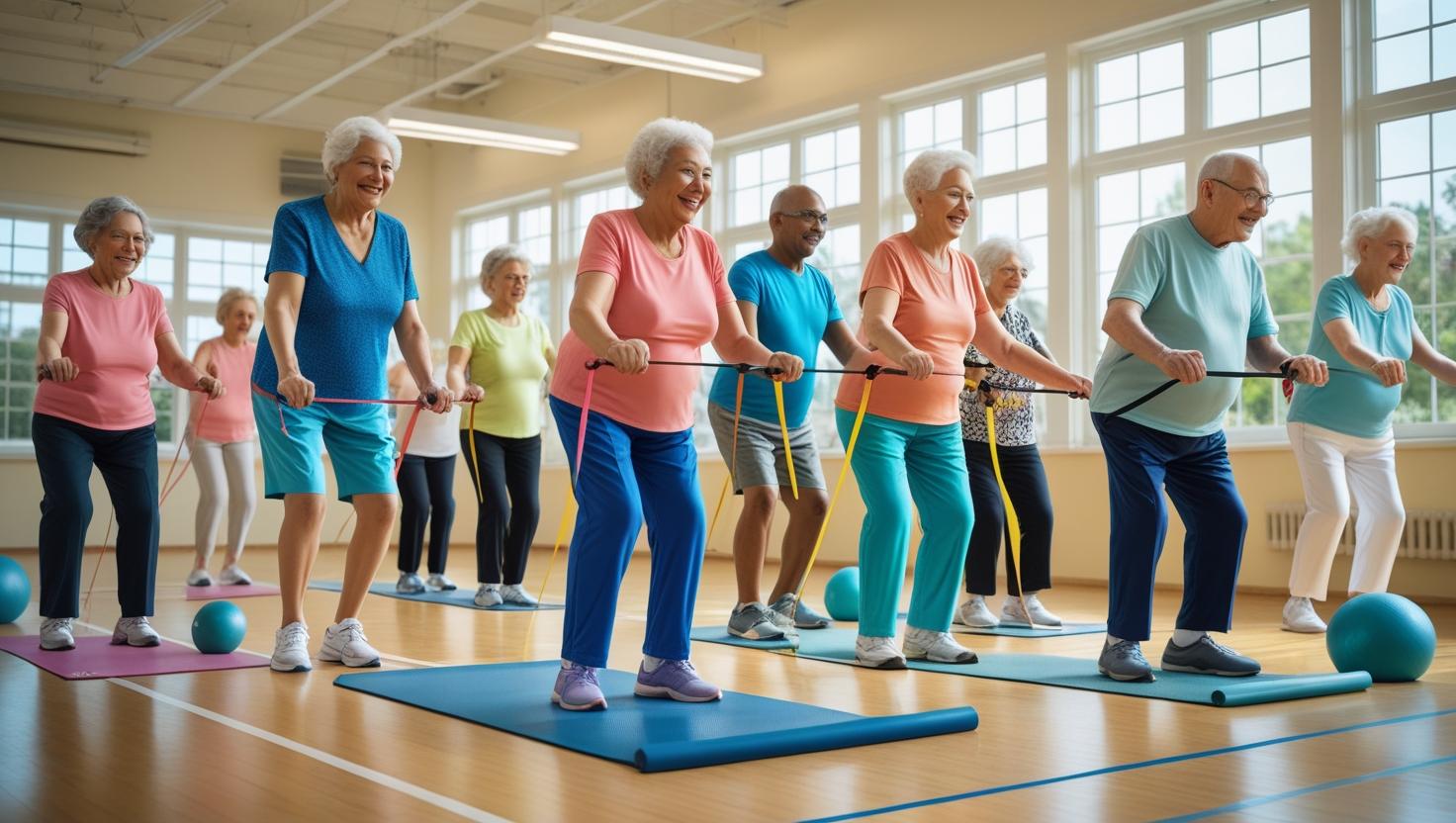
We normalised “no one finishes last” through parkrun equity — new outer-suburb courses, Tail Walkers, and help with transport. We installed Seniors’ Exercise Parks and linked clinicians to community through social prescribing. Movement and friendship were stitched together.
And we didn’t stop there. Intergenerational mentoring, on-Country walks, and therapeutic gardens gave meaning to the calendar — people joined for connection, culture, healing, and belonging as much as for fitness.
This is how we shifted from weight-loss spreadsheets to wellbeing as a civic identity: strength, sleep, connection, confidence. A city that lost 500,000 kilos only because it gained something bigger — pride and pace.
Healthy Together is upstream prevention, delivered locally. It’s also a reminder: loneliness is a public-health risk, not a private failing. When a city shows up for people, people show up for each other.
Let’s build it — and make daily health the Launceston habit, including
-
Listening and Responsive Activation
Establish continuous survey and feedback loops to guide priority-setting and delivery.
• Use short, place-based listening tools to understand seasonal patterns, shift-work realities, and neighbourhood needs.
• Direct resources toward what residents say is working, and adjust programming in real time.
• Build local legitimacy and increase participation through visible responsiveness and transparent reporting.
-
Movement and Social Connection as Civic Infrastructure
Treat everyday movement and social connection as core public infrastructure.
• Fund walking, rolling, gathering, and low-cost recreation with the same seriousness as roads, lighting, and drainage.
• Develop programs designed jointly by council staff and community members to ensure local relevance.
• Address loneliness, inactivity, and social isolation as public issues requiring public investment, not as individual shortcomings.
-
Reclaim and Calm Local Streets
Implement street-calming and street-reclaiming measures to make movement safe and inviting.
• Expand PlayStreets and Open Streets by closing selected local roads to through-traffic on a scheduled basis.
• Normalise 30 km/h limits on local residential streets to reduce injury risk and support active transport.
• Shift streets from “corridors to drive through” to places where children, families, and neighbours can gather and move freely.
-
parkrun Equity and Participation Support
Strengthen inclusive participation across all parkrun locations.
• Establish new courses in outer suburbs and growth areas to ensure geographic fairness.
• Provide Tail Walkers and participation ambassadors so no one feels judged, rushed, or left behind.
• Offer low-cost or free transport options where access is a barrier.
• Build weekly routines based on pride, consistency, and community rather than performance pressure.
-
Seniors’ Exercise Parks and Social Prescribing
Develop age-friendly strength and balance parks across the municipality and link them to clinical and community care.
• Install and map specialist seniors’ exercise equipment in key neighbourhoods.
• Train health and community clinicians to use social prescribing to connect older residents to parks, groups, and activities.
• Improve confidence, mobility, sleep, and mood while easing demand on downstream health services.
-
Programs with Meaning and Connection
Embed culturally rich, intergenerational, and therapeutic programs into the city’s annual calendar.
• Include intergenerational mentoring, on-Country walks designed with palawa/pakana partners, and community therapeutic gardens.
• Design programs where people join for connection, purpose, and culture as much as for fitness.
• Strengthen belonging, mental wellbeing, and community identity alongside improved physical health.