
What would it take to make Launceston a city where joy, culture, and gathering are core civic infrastructure?
paul mallett advocates for making Launceston the state’s premier celebration city by treating joy as core civic infrastructure. That means designing, funding, and managing public celebration with the same seriousness we give to footpaths, lighting, and parks. It means clearing away barriers, supporting local organisers, and building a calendar that brings people together week after week.
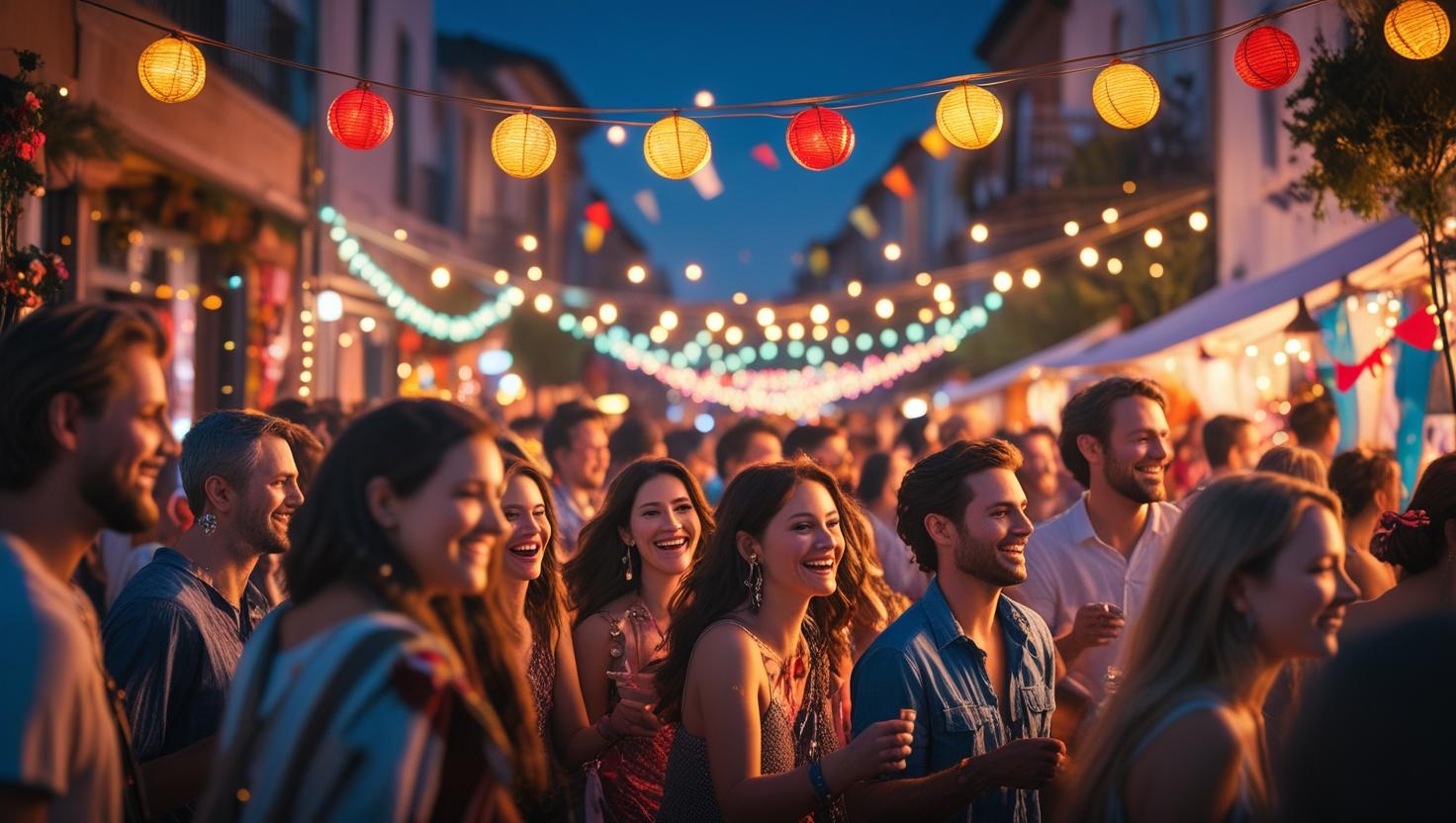
Picture a weekly Kanamaluka Market anchoring the waterfront. Smoke drifting from food stalls. Buskers, drum circles, kids running between stalls. Makers selling their work without worrying about rain, insurance shocks, or complex permits. Picture neighbourhood micro-festivals supported with small grants and shared equipment. Staging. Shade. Cones. Lighting. Peace-by-design kits. Simple, predictable rules that make it easy to host something on your street or in your local park.
Design carries most of the load. Power pedestals built into the lakefront. Shade structures and truss points. Accessible paths for wheelchairs and prams. A CivicLoom calendar that helps groups avoid clashes, share gear, and keep the rhythm of the year flowing. A city stance that backs creativity rather than blocking it.
The aim is clear: more joy, more connection, more reasons to linger in town. A stronger local economy. Safer, more cohesive neighbourhoods. A city that feels alive because it celebrates itself often, openly, and together.
If we want to be Tasmania’s celebration city, we can build it. One habit, one gathering, one shared moment at a time, including
-
Kanamaluka Market (Waterfront Civic Market)
Establish a weekly lakefront market co-designed with local residents and traders.
• Provide clear bump-in/bump-out procedures, shared power access, staging, and simple permits.
• Turn the waterfront into a reliable civic commons and a weekly reason to gather and linger.
• Treat celebration as planned civic infrastructure, not an occasional add-on.
• Support micro-businesses, food culture, and community connection.
-
Celebration of Children and Young People
Create a suite of programs that place children and young people at the centre of civic life.
• Deliver a Junior Citizen Award, youth Five Minute Thesis, Children’s Expo, Kite Festival, Box Festival, and Kid I Am day.
• Recognise contribution, showcase creativity, and invite children’s ideas into public decision-making.
• Treat children as full people whose perspectives shape the city.
• Build confidence, civic skills, and intergenerational trust in safe, playful, inclusive spaces.
-
Civic Calendar of Celebrations
Develop a year-round civic rhythm of events and festivals.
• Include Festivale, Harmony Week, NAIDOC, ANZAC, New Year’s Eve, Writers and Readers Festival, and the Social Justice Lecture.
• Shift celebration from occasional to ordinary, building shared identity through repetition and anticipation.
• Support partnerships with community groups, creative organisations, and First Nations custodians.
-
Neighbourhood Street Parties (Council-Supported)
Enable council-backed block parties through micro-grants and a simple, supportive process.
• Provide fast-tracked permits, umbrella insurance, and an equipment-loan kit (cones, barricades, ramps, signage).
• Offer multilingual templates, accessibility checks, child-friendly layouts, and quiet-hour guidance.
• Turn streets into micro-commons where neighbours meet across cultures and ages.
• Reduce loneliness and build everyday trust that strengthens disaster resilience.
-
Event-Positive Stance (Despite Insurance Shocks)
Adopt a public commitment to grow, not shrink, markets and festivals in the face of rising insurance costs.
• Manage risk by design — safe layouts, volunteer training, inclusive norms — rather than retreating from events.
• Protect the social fabric when risk aversion is high.
• Keep streets alive with colour, sound, and participation as a civic habit, not a luxury.
-
Micro-Enterprise Incubator Stalls
Offer low-barrier market stalls and rotating spots for emerging makers and food vendors.
• Provide mentoring, small-equipment loans, compliance guidance, and promotional support.
• Turn kitchen experiments and hobby-craft into viable micro-enterprises.
• Demonstrate that many small incomes build community resilience better than one big bet.
• Grow social capital alongside local economic activity.
-
Cash-Inclusive Trading
Ensure markets, festivals, and public events support both digital payments and cash.
• Remove fees, tech barriers, and “card-only” exclusion.
• Preserve dignity for stallholders, newcomers, and low-tech households.
• Guarantee participation regardless of banking status or digital access.
-
Culture-in-the-Ordinary
Embed First Nations language, culture, and local stories into everyday event programming.
• Use signage, audio cues, welcome ceremonies, storytelling corners, and micro-activations.
• Make respect visible and audible, not occasional or token.
• Normalise everyday truth-telling and shared cultural understanding.
-
Peace by Design (Trust in Public)
Design gatherings so they feel safe without heavy, visible enforcement.
• Use layout, volunteers, wayfinding, and shared norms to promote safety.
• Build social trust as an experience of shared freedom rather than control.
• Support a civic culture where people look after one another in public space.
-
Joy as Infrastructure (Budgeted)
Embed festivals and streets-to-people events in the city’s baseline budget.
• Treat joy, colour, and cultural gathering as public goods with measurable returns in belonging, cohesion, confidence, and local spending.
• Provide stability for organisers, volunteers, artists, and local businesses.
• Keep civic life vibrant even when economic or political conditions are tough.