
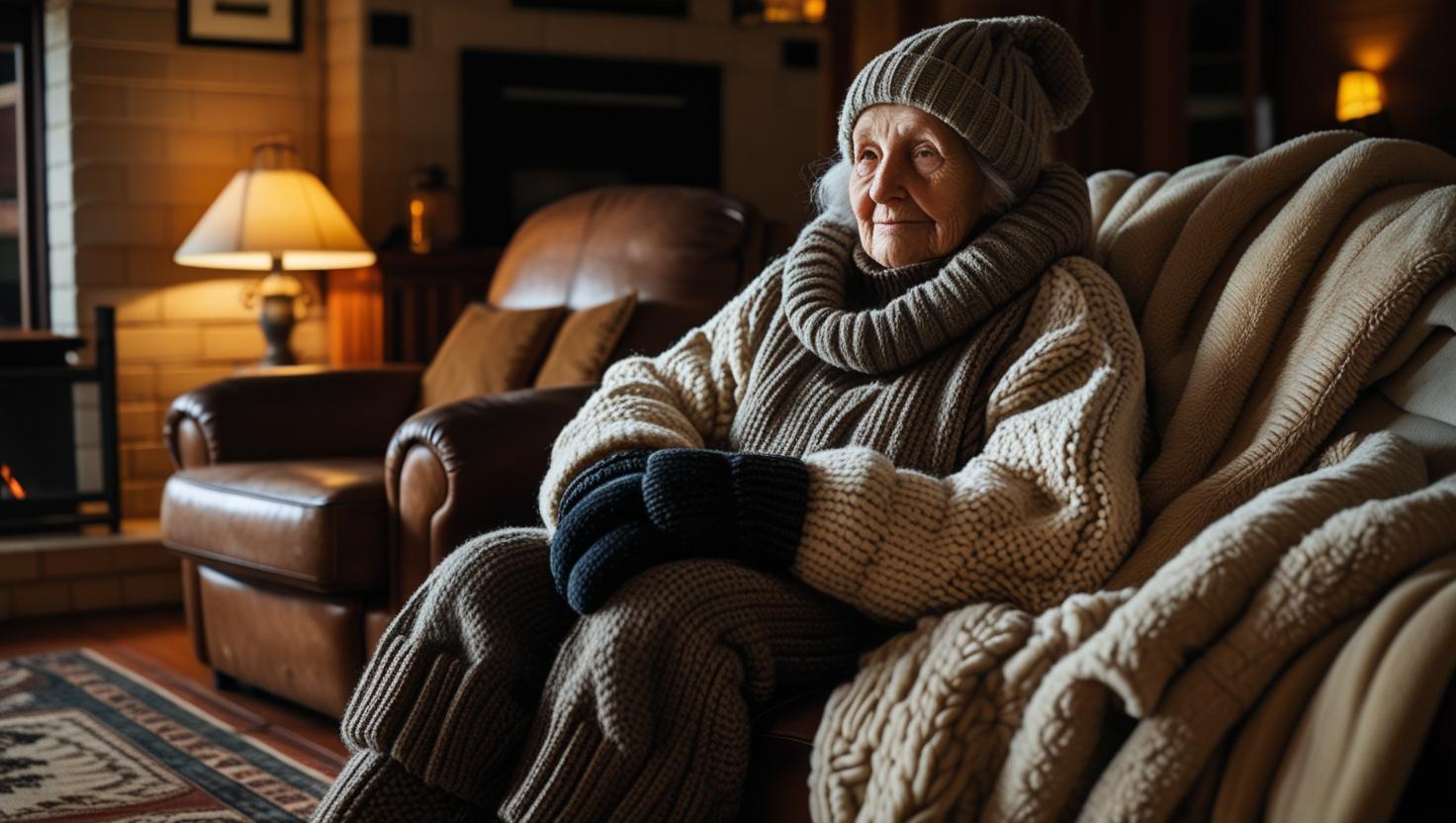
What would it take to make winter heating more affordable and address a root cause of ‘energy poverty’ in Tasmania?
paul mallett is passionate about addressing energy poverty in Tasmania. As the nation’s coldest state in winter, heating is essential. Based on his community service experience, documented in his book Affordable Warmth: A Blueprint for Healthy, Warm Homes for All Tasmanians (Vibrant Leadership Series, Book 3, 2026), paul knows too many vulnerable Tasmanians have to choose between “heating and eating” through the middle of every year due to large energy bills.
Given this, paul calls for the development and delivery of a Warm Homes System for Tasmania. This locally tailored system would be informed by models from Europe and combine large-scale retrofit of the housing stock, regulated financial protections, early identification of households at risk, cross-sector collaboration, and a legislated Warm Home Guarantee.
The Challenge of Energy Poverty
Energy poverty occurs when a household cannot afford to keep their home adequately heated at reasonable cost without sacrificing other essentials. In Tasmania, heating is a necessity for health and wellbeing, especially during harsh winters. Yet there is currently no dedicated state strategy addressing energy poverty, unlike in the UK and Europe where energy poverty policies have developed over decades.
Energy poverty is not well defined in Australia, however in the UK fuel poverty occurs when households spend more than 10% of their income on fuel to achieve adequate levels of warmth in the home. According to the World Health Organisation (WHO), adequate warmth is defined as 18˚C for active people and 21˚C for individuals leading more sedentary lives such as the aged.
The causes of energy poverty are many and varied, however contributory factors include low income, high energy costs, poor building standards, inadequate thermal insulation, and inefficient or expensive heating systems. In addition to the financial impact, the health consequences of energy poverty are known to include physiological changes in the body, including hypothermia, cardiovascular and respiratory disease, asthma and mould sensitivity, stress and depression, and even premature death. Households over-represented in the energy-poor population identified internationally include older people on low incomes, single parents especially those with young children, people with disabilities, unemployed people especially those under 25, and the long-term unemployed.
Energy poverty contributes to poor health outcomes (respiratory, cardiovascular, mental health), increased energy debt, and social isolation. Low-income households, renters, older adults, and those living in energy-inefficient housing are disproportionately affected.
Delivering Affordable Warmth in Tasmania
Affordable Warmth sets out 21 Recommendations and Six Action Pillars for eliminating energy poverty in Tasmania within a generation. Drawing on that framework, and his understanding of European programs, paul advocates for:
1. Fix cold homes through large-scale retrofit
The foundation of any durable response is improving the fabric of Tasmania’s housing. This means a statewide Warm Homes Retrofit Program that upgrades the coldest and least efficient homes first, prioritising low-income households, renters, and cold-region communities. Programs should include (see also posts on passive house standard and Energy Performance Certification):
- Large-scale insulation and draught-proofing focused on vulnerable households. In the UK, the Energy Company Obligation (ECO) requires energy suppliers to fund insulation and efficiency improvements for low-income homes.
- Subsidised replacement of old, inefficient heaters with energy-efficient models (heat pumps, modern electric heating).
- Mandatory Energy Performance Certificates (EPC) at point of sale and lease, supported by a public register, to make housing thermal performance visible and guide retrofit investment.
- A statewide moisture and mould standard to eliminate damp as a health hazard, fixing homes rather than blaming occupants.
2. Make essential warmth affordable
Financial supports are essential but not sufficient on their own. Alongside retrofit programs, paul advocates for:
- A regulated Winter Energy Protection Framework that caps seasonal bill exposure, safeguards essential heating use, and prevents cold-driven debt accumulation for low-income households. In Europe, Winter Fuel Payments and Cold Weather Payments provide direct financial assistance to vulnerable households during cold periods.
- A continuation and strengthening of power bill relief currently offered in Tasmania, redesigned so concessions are income-linked and no low-income household has to cut back on food, healthcare, or participation to stay warm.
- Energy debt prevention through early intervention before arrears accumulate, with bill smoothing mechanisms to make winter costs predictable.
3. Identify cold homes early, before crisis
Much winter hardship remains hidden behind quiet coping. paul advocates for an Early Identification and Safe Disclosure Framework embedded across health, education, community services, and local government, so that cold housing is detected and acted on before disconnection or health crisis occurs. Energy retailers hold billing data that can help identify high-cost homes for priority retrofit. Frontline health and social workers should be trained to identify and refer households at risk.
4. Raise and enforce housing standards
Warm homes should be a legal baseline, not an optional upgrade. This means:
- Enforceable minimum warmth standards for rental properties, protecting renters from retaliation when they raise concerns.
- Social housing upgraded to meet the Warm Homes minimum thermal performance standard, with public housing serving as the lead delivery platform for the statewide retrofit program.
- No dwelling should be lawfully rented in a cold, damp, or unsafe condition.
5. Rebalance investment from crisis to prevention
Tasmania currently spends more on emergency bill relief than on structural retrofit. paul advocates for redirecting public expenditure toward the structural measures (insulation, heating upgrades, moisture control) that reduce the need for emergency assistance in the first place. Every dollar invested upstream avoids many more dollars downstream in health care, emergency assistance, and crisis responses.
6. Build a joined-up Warm Homes System with a legislated guarantee
Effective reform requires coordination between government, energy retailers, local councils, health services, and community organisations, with clear accountability and long-term commitment. paul advocates for:
- A legislated Warm Home Guarantee that embeds the Warm Homes System in Tasmanian law with time-bound milestones and independent oversight.
- A Warm Homes Ministerial Council to coordinate housing, energy, health, and social services within a single integrated system.
- A statewide Warm Homes Measurement Framework with agreed definitions of energy hardship, temperature monitoring, and transparent public reporting to measure prevalence, guide intervention, and track progress.
- Community engagement and education programs on energy saving, efficient heating use, and accessing assistance, empowering community groups to support households and foster peer support networks.
paul believes financial supports (such as bill relief and concessions) are essential but not sufficient to address the root causes of the issue: poorly insulated homes and energy-inefficient heating appliances. paul advocates strongly for retrofitting programs to improve the performance of the housing stock, making properties more comfortable to live in and reducing the financial burden on residents to heat them each winter. And he believes this must be anchored in law so that progress survives political cycles.
Inspiration
paul investigated strategies deployed in the United Kingdom to address energy poverty in 2009 as part of a professional study tour (see post). More than a decade and a half later, the issue remains a critical social, economic, and health issue for Tasmania. paul’s 2009 study tour report, with dozens of recommendations to government, forms the basis of this policy position, and the full annotated blog from that study tour is included in Affordable Warmth as an additional reading. As paul writes in that book: the evidence is established, the system design is clear, and the implementation steps are mapped. The question is no longer whether cold housing can be fixed, but whether Tasmania chooses to act on what is already known.