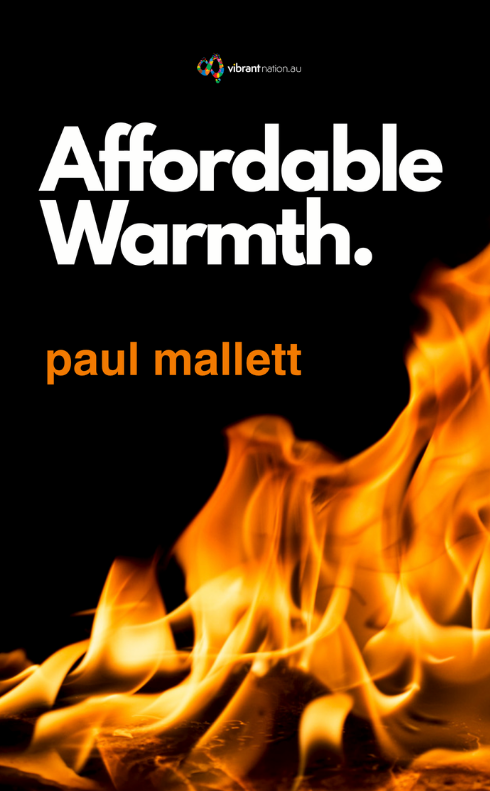
Cold, damp and inefficient homes are one of Tasmania’s most urgent and most fixable injustices. No one should be cold in their own home. Ending energy poverty in Tasmania is achievable within a generation if we act with intent, design for prevention, and work together.
Affordable Warmth begins with a simple truth. Cold, damp, inefficient homes are not a minor side issue of poverty. They are a structural failure that quietly harms health, learning, dignity, and life chances across Tasmania.
Each winter, and for many months on either side, thousands of Tasmanians are forced to ration heat, choose between power bills and food, or live in homes where breath hangs in the air. Older people sit through long, cold evenings to keep bills manageable. Families juggle budgets that never quite stretch far enough. Children try to learn and rest in bedrooms that never truly warm. These experiences are not rare misfortune. They reflect recurring system patterns produced by the way housing, energy, and regulation have evolved over decades.
Drawing on lived experience and Tasmanian evidence, the book moves between story and structural explanation. It shows how the age, design and thermal performance of Tasmania’s housing stock shape everyday life through winter. Insulation gaps, inefficient heating, poor ventilation and unmanaged moisture create predictable harm. Short-term bill relief cannot fix buildings that were never designed to hold warmth.
Affordable Warmth reframes energy poverty as a systems problem that demands a systems response. It argues that warm, dry homes must be treated as essential public infrastructure rather than discretionary assistance. When housing, energy, health and social policy work together, cold housing becomes preventable rather than inevitable.
Written for policymakers, educators, practitioners and citizens alike, the book sets out a clear pathway to end energy hardship within a generation. It shows how coordinated action, clear standards and sustained investment can reduce avoidable illness, ease pressure on household budgets and lower long-term public costs.
Ending energy poverty is achievable.
The evidence is clear.
What remains is the collective decision to act before harm occurs.
“If we cannot imagine a Tasmania without energy poverty, we will never build it. But if you can imagine boldly, and are willing to work together to make that future real, this book is for you.”
paul mallett