
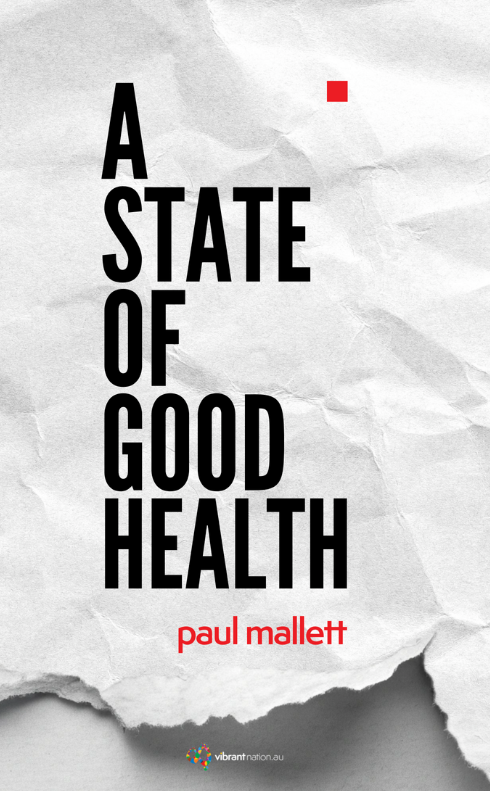
A State of Good Health argues that prevention is not a program, a campaign, or a message about personal behaviour. It is a way of governing.
A State of Good Health begins with a simple recognition: much of the illness, distress and early death managed by health systems is not the result of bad choices or bad luck. It is the predictable outcome of how systems are designed to shape daily life, distribute risk, delay care and tolerate avoidable harm.
Drawing on lived experience across Tasmania, the book traces preventable harm from everyday conditions to system design. Families juggling time, money and care until health begins to fray. Communities disconnected from transport, services or participation. Children whose early advantage quietly erodes, and older Tasmanians whose independence slips away long before it needs to. These experiences are not presented as personal failure but as understandable responses to sustained pressure within everyday systems.
Moving between story and structural analysis, the book shows how health is shaped long before people reach clinics or hospitals. Housing security, income adequacy, transport access, time scarcity, digital design, social connection, regulation and exposure to risk all shape health across the life course. When these systems fail to align, chronic stress accumulates, healthspan shortens and public costs escalate. The result is a cycle where health systems spend increasing resources responding after harm has already occurred.
A State of Good Health reframes prevention as a core duty of governance rather than a lifestyle message or a collection of programs. Across twenty-four integrated strategies and recommendations, it sets out a practical architecture for change. These reforms redesign daily living conditions, strengthen continuity across life transitions, build capability and participation, and reduce exposure to known harms. They span legislation, regulation, funding posture, workforce design, data integration and accountability, with Aboriginal authority and self-determination recognised as foundations for legitimate reform.
Written to be used, the book speaks to policymakers, practitioners, educators and community leaders who carry the downstream costs of preventable harm. It does not argue for more effort within failing systems. Instead, it shows how systems themselves can be redesigned so that prevention reduces suffering, extends healthspan and creates a virtuous cycle where lower harm frees resources for further prevention.
A state of good health is not an abstract aspiration. It is the cumulative result of deliberate, preventive system design.
The evidence is clear.
The choices are available.
What remains is the collective decision to act before harm occurs.
“Good health does not start in hospitals. It starts in the systems that shape daily life. What we build, fund, and ignore decides who gets sick and who stays well. Tasmania is large enough to get this right, and together we are smart enough to fix it. A state of good health is not a dream. It is doable, if we design for prevention.”
paul mallett